ADVERTISEMENT
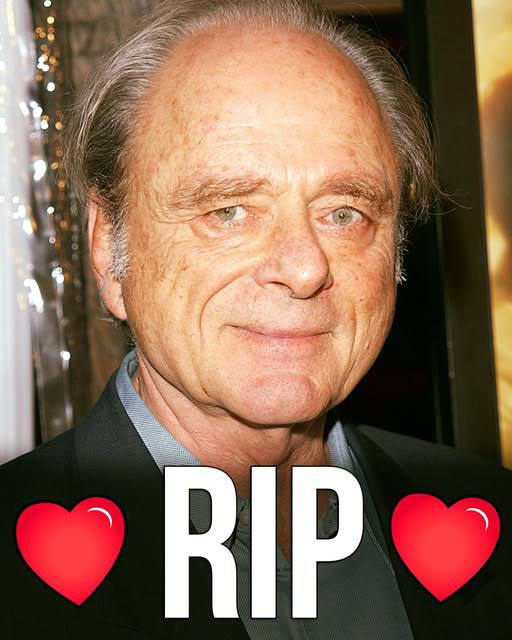
Yet if the screen showcased his discipline, the classroom deepened it. At Juilliard School, Yulin’s influence extended far beyond individual roles. There, away from cameras and critics, he reinforced a philosophy of acting rooted in ethics as much as technique. He reminded students that performance is not self-expression alone, but an act of responsibility toward text, ensemble, and audience. Acting, he insisted, was not a shortcut to admiration. It was a lifelong engagement with human behavior—an ongoing study of vulnerability, conflict, and truth.
ADVERTISEMENT
