ADVERTISEMENT
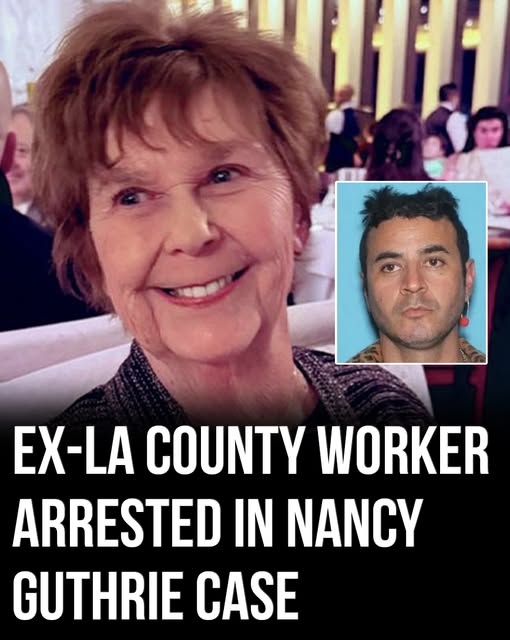
Investigators allege Callella inserted himself into the case shortly after the Guthrie family made a public, emotional plea for help. In that video, they urged anyone holding Nancy to communicate and provide proof that she was alive. That appeal, meant to move the right person to act, also created an opening for the wrong kind of attention—people who see a crisis as a chance to test boundaries or provoke a reaction.
Court documents described by investigators outline a tight timeline. FBI Special Agent Kerry Witherspoon stated in a complaint that the texts were sent on February 4, not long after the family’s public appeal. Authorities allege that roughly three minutes after the texts were sent, Callella placed a phone call to a family member that lasted only nine seconds. Investigators interpret that brief call as another attempt to see whether he could pull the family into a back-and-forth—any engagement that might give him leverage, attention, or a path to further manipulation.
Prosecutors also say Callella later admitted he sent the messages using a voice-over-Internet-Protocol (VOIP) application, a method commonly used to disguise a caller’s location or identity. Investigators claim he told them he was trying to see if the family would respond. If true, it suggests a motive rooted less in money and more in impulse—someone poking at a live wire because they could.
ADVERTISEMENT
