ADVERTISEMENT
The story of Dolores O’Riordan is one of the most poignant narratives in the history of rock and roll—a journey that began in the mist-shrouded quiet of rural Ireland and ascended to the deafening roar of global superstardom. It is a tale defined by a voice that could shift from a fragile whisper to a primal, guttural cry in a single heartbeat, but it is also a somber reflection on the invisible weights that many of our greatest icons carry long after the stage lights go dark.
Music was not merely a hobby for Dolores; it was an innate language. Legend has it she was singing before she could properly talk. By the age of five, her talent was so undeniable that her school principal would place her on a desk to perform for students twice her age. Raised on a steady diet of traditional Irish songs and church hymns, she developed a unique vocal style—a combination of the traditional “keening” lament and a raw, modern rock sensibility—that would eventually define the sound of a generation.
While her mother envisioned a life for her in the church as a nun or perhaps as a music teacher, Dolores felt the pull of a different calling. At eighteen, she left home, driven by an urgent need to find her own voice. Living in poverty and often going hungry, she took a chance on a local band called The Cranberry Saw Us, who were looking for a new lead singer. When she walked into that audition, she was a shy, small girl from Limerick, but when she sang the lyrics she had written, the band was paralyzed by her power. They simplified their name to The Cranberries, and the trajectory of music history was forever altered.
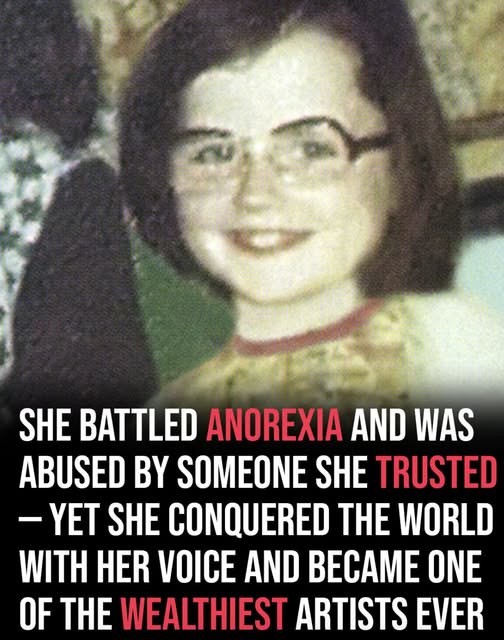
However, the weight of this sudden fame was immense. Dolores became one of the richest and most recognizable women in Ireland, but the scrutiny of the public eye left little room for the “freedom” of youth. She often felt that the world was waiting for her to slip up. Behind the scenes, she was battling profound depression and the early stages of anorexia, struggles exacerbated by the relentless pace of touring. Yet, even in her suffering, she remained fiercely principled. When her label hesitated to release the politically charged “Zombie”—a visceral response to the tragic deaths of two children during an IRA bombing—Dolores stood her ground, reportedly tearing up a million-dollar check intended to sway her toward a more “commercial” sound. She refused to sing about fluff when her heart was heavy with the troubles of her homeland.
In 1994, she sought a semblance of normalcy by marrying Don Burton, the tour manager for Duran Duran. They eventually moved to Canada, where they raised three children. Dolores spoke often and passionately about motherhood, crediting her children with being “elemental” to her healing process. It was during this period of maturity that she began to confront the traumas of her past, revealing that she had been a victim of sexual abuse by a trusted figure for four years starting when she was just eight years old. The flashbacks and the lingering psychological scars made her adult life a complex tapestry of professional triumph and personal agony.
Despite these shadows, the final chapter of her life showed signs of a creative resurgence. The Cranberries had reunited, and Dolores was making plans for the future. In January 2018, she was in London for a recording session, leaving upbeat voicemails for colleagues about new music and upcoming dinners. She sounded hopeful, singing snippets of songs into her phone. It was this contrast that made the news of her death on January 15, 2018, so shocking. Found unresponsive in her hotel bathtub, the coroner later ruled her death an accidental drowning due to alcohol intoxication. She was only forty-six years old.
ADVERTISEMENT
