ADVERTISEMENT
Born in Kentucky in 1877 and passing in 1945, Edgar Cayce remains one of the most prolific and documented clairvoyants in history. Through a unique method of self-induced sleep, Cayce delivered over 14,000 recorded “readings,” covering a wide range of topics. While most of these sessions focused on medical diagnoses and holistic health, a significant portion also addressed global events, the rise and fall of nations, and a fundamental shift in the spiritual consciousness of humanity. Today, in a world marked by political polarization, a fragile global economy, and a crisis of trust in democratic institutions, the relevance of Cayce’s readings seems increasingly pertinent. The question is no longer just what he predicted, but how his insights are being interpreted in light of our current circumstances.
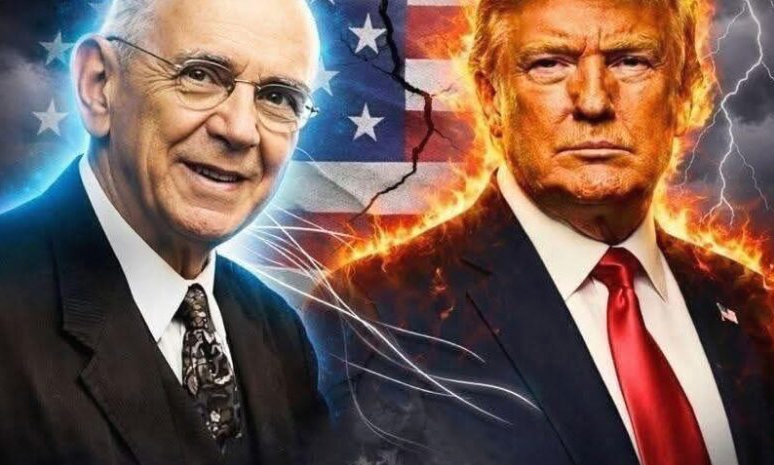
A key aspect of Cayce’s political predictions involved his views on the leadership and internal health of nations. He often emphasized that a nation’s “spirit” is directly tied to its commitment to universal laws of brotherhood and selfless service. He warned that when a nation prioritizes self-interest and material gain over the welfare of its citizens and the world, it invites a period of corrective turmoil. In the context of 2026, many contemporary interpreters point to the rise of hyper-nationalism and the erosion of civil discourse as the manifestation of the “internal rot” Cayce foresaw. His teachings suggested that political systems are not merely administrative tools, but reflections of the collective consciousness of the people. Thus, a fractured political landscape mirrors a fractured national spirit.
ADVERTISEMENT
