ADVERTISEMENT
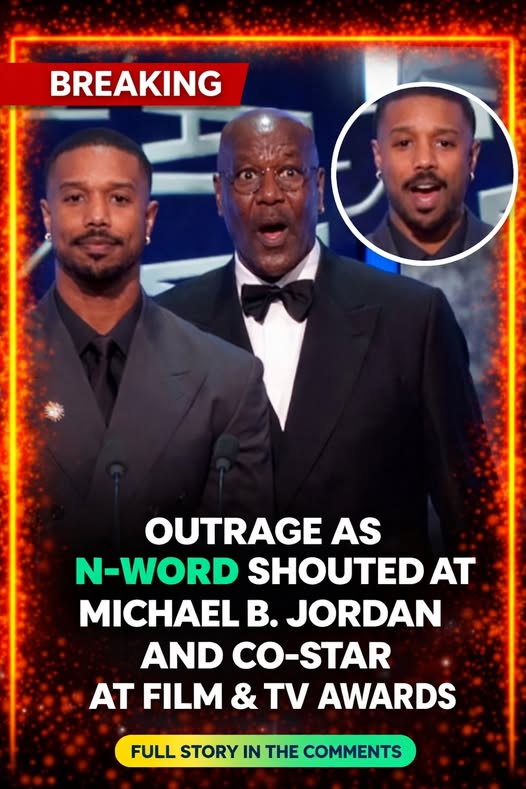
Alan Cumming, one of the event hosts, paused the ceremony to address the audience directly, explaining carefully and compassionately that the slur had originated from involuntary tics linked to Tourette syndrome, not from malice. The BBC followed with an official statement and apology, emphasizing that Davidson’s words were unintentional and beyond his control. But even with explanation and context, outrage surged online. Many found the distinction impossible to accept, unable or unwilling to reconcile the deeply hurtful nature of the word with the reality of a neurological disorder. Threads erupted, opinions clashed, and the debate grew almost as fast as the viral video clips circulated.
ADVERTISEMENT
