ADVERTISEMENT
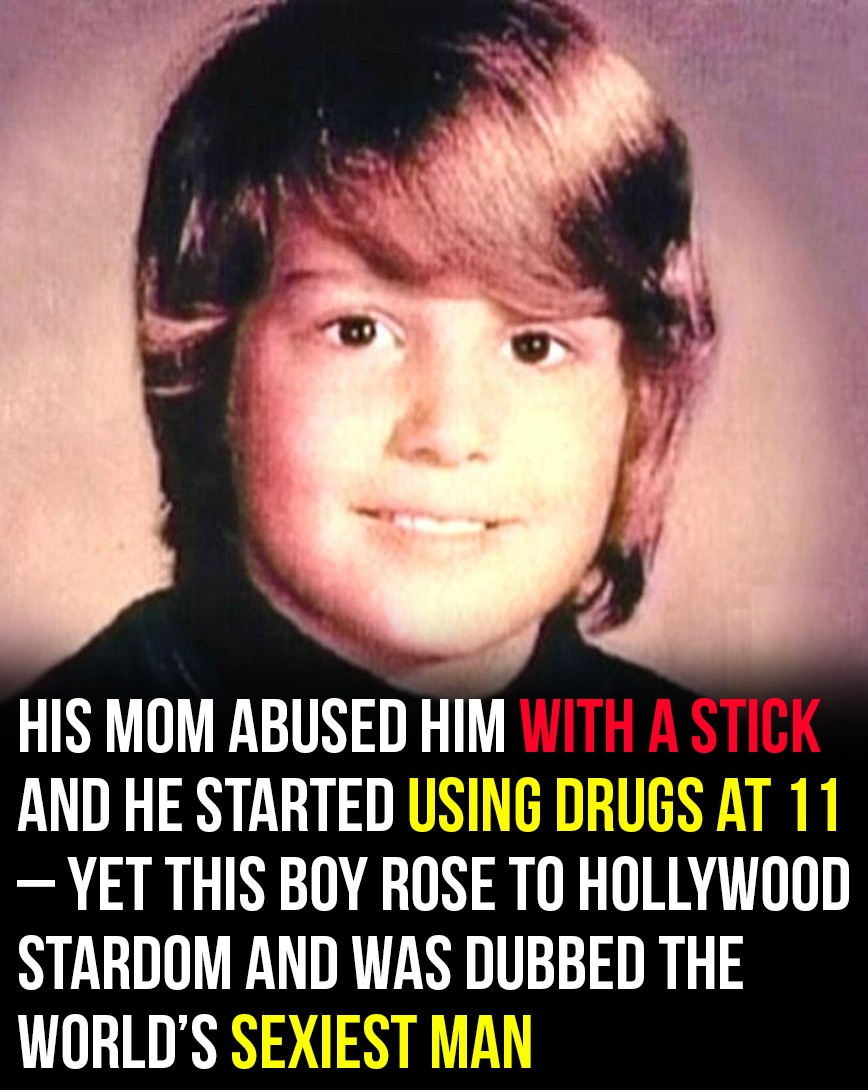
Crucially, Depp has pointed out that while the physical bruises eventually healed, the psychological toll was far more enduring. He noted that the verbal and emotional abuse he suffered was significantly more damaging than the beatings themselves. In his view, physical pain is something a child eventually learns to expect and endure, but the psychological erosion of one’s sense of self is a much deeper wound. This environment was fueled primarily by his mother, Betty Sue, whose personality was a whirlwind of unpredictable tangents. In stark contrast, Depp’s memories of his father are defined by a stoic, almost haunting silence. He recalled his father standing motionless while his mother delivered verbal and physical pain, “swallowing it” rather than striking back. At the time, a teenage Depp viewed this restraint as a form of weakness, even resenting his father for not leaving sooner. It was only through the lens of adulthood that he recognized his father’s composure as a profound act of endurance—a man who would rather break his own hand against a wall than ever lay a finger on his wife or children.
Depp’s escape from his domestic reality came through music and, eventually, a fortuitous accident in the film industry. After dropping out of high school in 1979 to pursue a career with his band, The Kids, he moved to Los Angeles. Acting was never the primary ambition. It was a chance meeting with Nicolas Cage that led to his first auditions, eventually landing him a role in the 1984 horror classic A Nightmare on Elm Street. By the 1990s, Depp had been branded a teenage heartthrob, a label he found stifling and actively fought against. He began a career-long trend of rejecting the “pretty boy” mold, choosing instead to collaborate with unconventional directors like Tim Burton. This path of artistic integrity over commercial vanity eventually led to his defining role as Captain Jack Sparrow in the Pirates of the Caribbean franchise. The role transformed him from a respected character actor into one of the most bankable stars on the planet, earning him multiple Academy Award nominations and a permanent place in the cultural zeitgeist.
While his professional life was defined by eccentricity, his personal life sought the stability he lacked as a child. Following high-profile relationships with Winona Ryder and Jennifer Grey, Depp found a long-term sense of peace with French singer and actress Vanessa Paradis. They spent fourteen years together and had two children, Lily-Rose and Jack. For Depp, fatherhood was the ultimate opportunity to break the cycle of trauma. He famously stated that the moment he knew he was going to be a father, he knew exactly how he would do it: by doing the complete opposite of Betty Sue. He and Paradis made a conscious choice to never raise their voices in the presence of their children, favoring open dialogue and choices over the “no-nonsense” authoritarianism and fear he grew up with. He wanted his children to understand that life was full of options, rather than a series of punishments to be endured.
ADVERTISEMENT
