ADVERTISEMENT
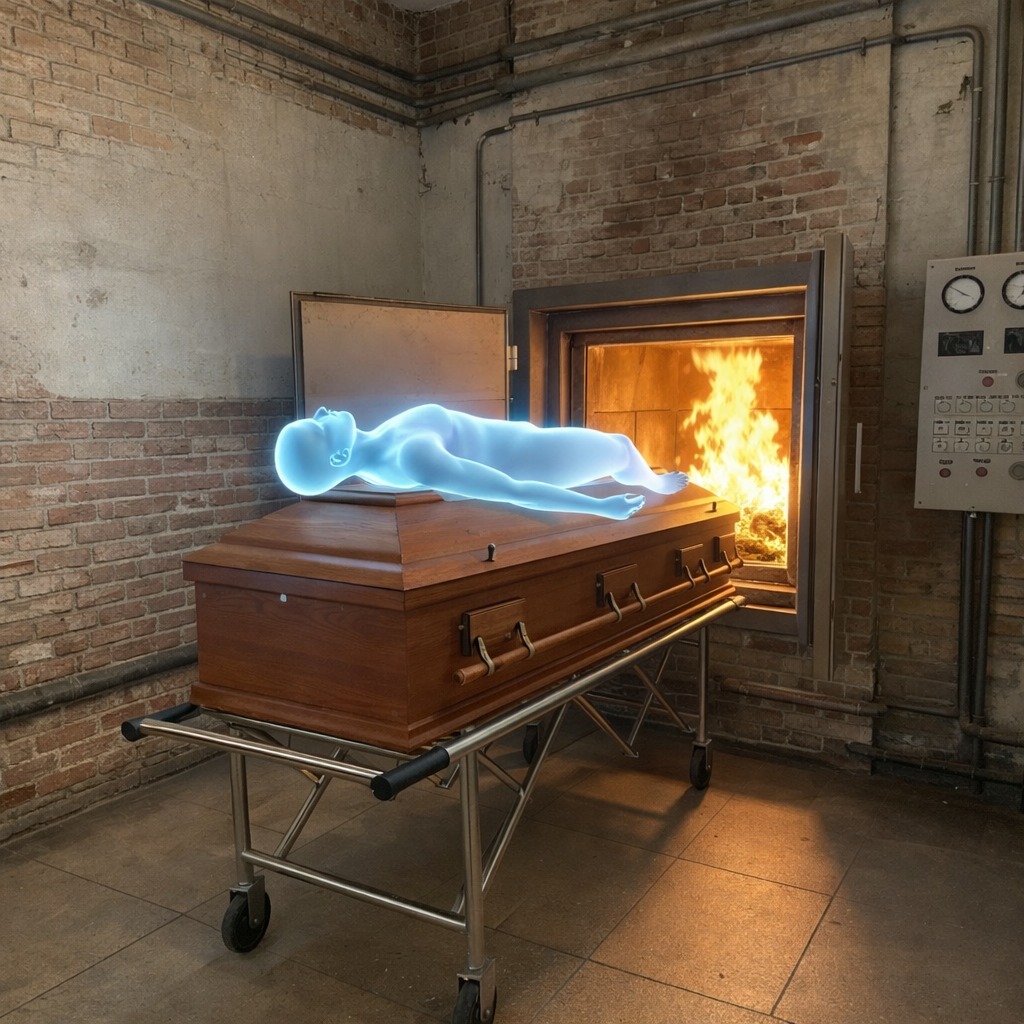
Culturally, the history of cremation has added layers of unease for the faithful. In the early centuries of the Church, cremation was frequently associated with pagan rituals that denied the possibility of a resurrection. By choosing burial, early Christians were making a counter-cultural statement of hope. They were distinguishing themselves from a world that viewed death as an absolute end. In the modern context, however, the motivations for cremation have changed. Most people choosing cremation today are not doing so to make a theological statement against the resurrection; they are doing so to manage the staggering expenses of the modern funeral industry or to honor a desire for simplicity.
Ultimately, the choice between burial and cremation is a deeply personal journey of faith and stewardship. For some, the traditional burial remains a powerful, non-verbal sermon on the hope of the resurrection, a way to honor the physical body as it waits for the final trumpet. For others, cremation is a humble acknowledgement that we are but “dust and ashes,” and that our true security lies in the hands of the One who promises to make all things new.
ADVERTISEMENT
