ADVERTISEMENT
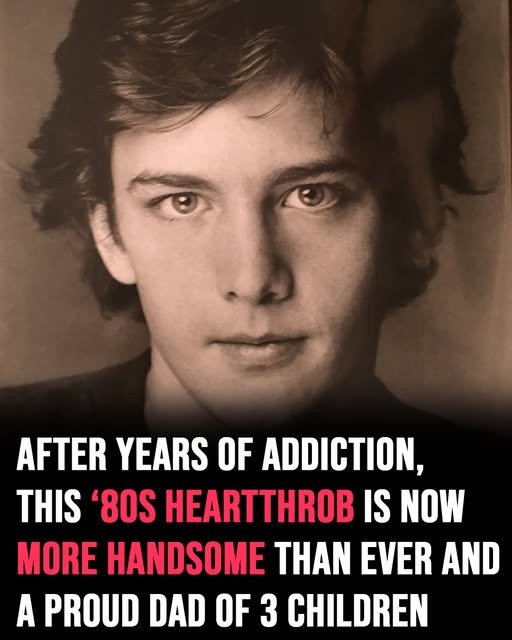
McCarthy’s path to fame began with an ironic twist seemingly lifted from a screenplay. In the early 1980s, he enrolled at New York University’s prestigious acting program but was expelled for lack of attendance. Weeks later, he answered an “open call” advertisement for the film Class. After waiting hours alongside 500 hopefuls, he secured the lead role of Jonathan, romancing the mother of his roommate, played by Jacqueline Bisset. Overnight, he transitioned from expelled student to film star. When NYU later offered him a path back through independent study, McCarthy politely declined—Hollywood was already listening.
The Hidden Struggle: Alcoholism and Dutch Courage
Beneath the charming, sensitive persona adored by fans, McCarthy faced a private battle. In his 2021 memoir, Brat: An 80s Story, he revealed that alcohol had become a coping mechanism—a way to navigate anxiety and the pressures of a career he felt unprepared for. He described it as “Dutch courage,” a temporary armor for social interactions and on-set performances. The glamorous exterior masked a cycle of hangovers, self-doubt, and struggle, punctuated by a particularly painful relapse triggered by a single drink years later, culminating in a dramatic collapse in a bathroom.
In 1991, at 29, McCarthy entered rehab, marking the end of his boyish image and the start of a more grounded, self-aware life. He traded Hollywood parties for introspection and rebuilding. As his teen idol status faded, he discovered a new purpose behind the camera, channeling his artistic sensibilities into directing. McCarthy went on to oversee nearly 100 hours of acclaimed television, including Orange Is the New Black, Gossip Girl, and The Blacklist. His early discomfort in front of the camera gave him empathy for actors, while his eye for storytelling allowed him to shape compelling narratives from behind the lens.
The Traveler and Family Man
ADVERTISEMENT
