ADVERTISEMENT
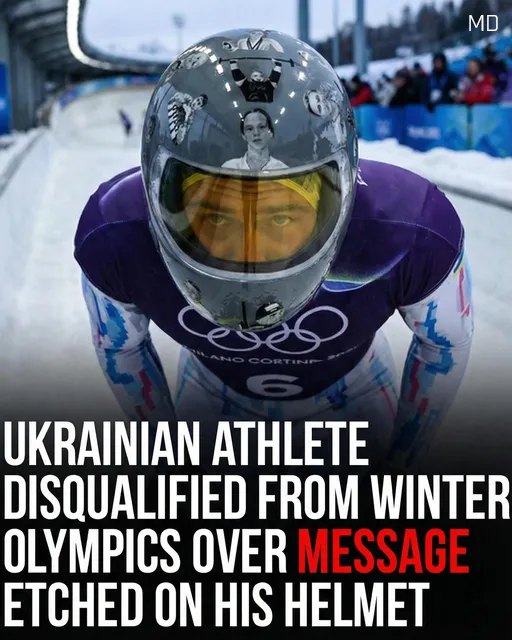
During these discussions, officials reportedly offered several compromises. These included the suggestion that Heraskevych replace the specific imagery with a more generalized, neutral symbol of mourning or peace, or that he compete using a standard, unadorned helmet. However, a consensus could not be reached. Heraskevych, standing firm on the symbolic importance of his chosen tribute, argued that honoring victims of a humanitarian crisis should transcend political categorization. He maintained that the helmet was an act of empathy rather than a partisan provocation. Ultimately, the impasse remained as the starting light turned green, and because no equipment change was made, officials were forced to issue a ruling of ineligibility.
Olympic leadership, while acknowledging the deep emotional resonance and the tragic context of Heraskevych’s tribute, defended the ruling as a necessary measure for the long-term health of the Olympic movement. They explained that if exceptions are made for one cause, the “field of play” could quickly become a mosaic of competing political and social messages, potentially alienating viewers and complicating the diplomatic neutrality that allows the Games to exist in the first place. Their stance is that the uniform and equipment of an athlete are sacred spaces of sporting equity, and allowing personal expression there would create an unmanageable precedent.
This incident has reignited a long-standing and complex conversation among sports fans, human rights advocates, and international observers. In an era where athletes are increasingly viewed as social influencers with a moral obligation to use their platforms for good, the “neutrality” of the Olympic Games is being tested as never before. Critics of the ruling argue that the IOC’s definition of “political” is often arbitrary and that human rights issues should never be categorized as mere politics. They point out the irony of a global event that promotes “peace” and “unity” while simultaneously prohibiting athletes from acknowledging the very real obstacles to those ideals.
ADVERTISEMENT
