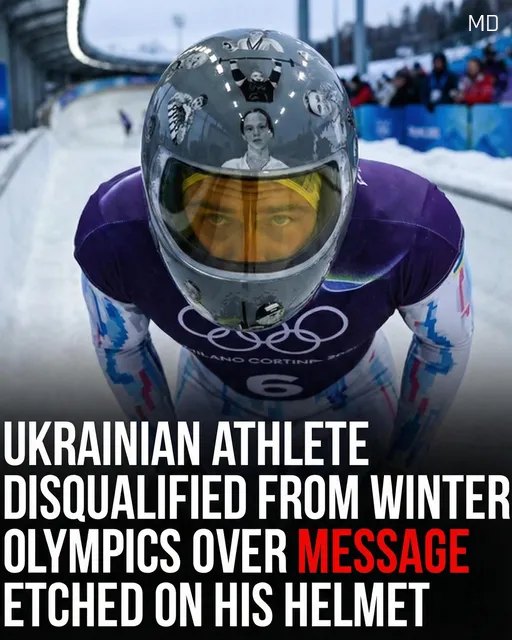
For Heraskevych, the Milano Cortina 2026 Games will be remembered not for a podium finish or a personal best time, but for a stand taken in the shadows of the starting gate. The empty lane where he was supposed to compete served as a silent testament to the struggle between an individual’s conscience and an institution’s regulations. The skeleton athlete’s disqualification is a stark reminder that even in the world of elite sports, where every millisecond is measured and every movement is choreographed, the most significant moments often happen before the race even begins.
As the Winter Olympics continue, the vacancy in the men’s skeleton event remains a focal point of discussion. The case of the Ukrainian helmet has become a landmark example of the evolving relationship between the athlete and the institution. It forces a re-examination of what it means to be an “ambassador” in the modern age and whether the armor of an athlete—their helmet, their suit, their skis—can ever truly be separated from the skin and the soul of the person wearing it. While the records will show that Vladyslav Heraskevych did not compete in 2026, the story of his helmet ensures that his message reached a far wider audience than a single skeleton run ever could.