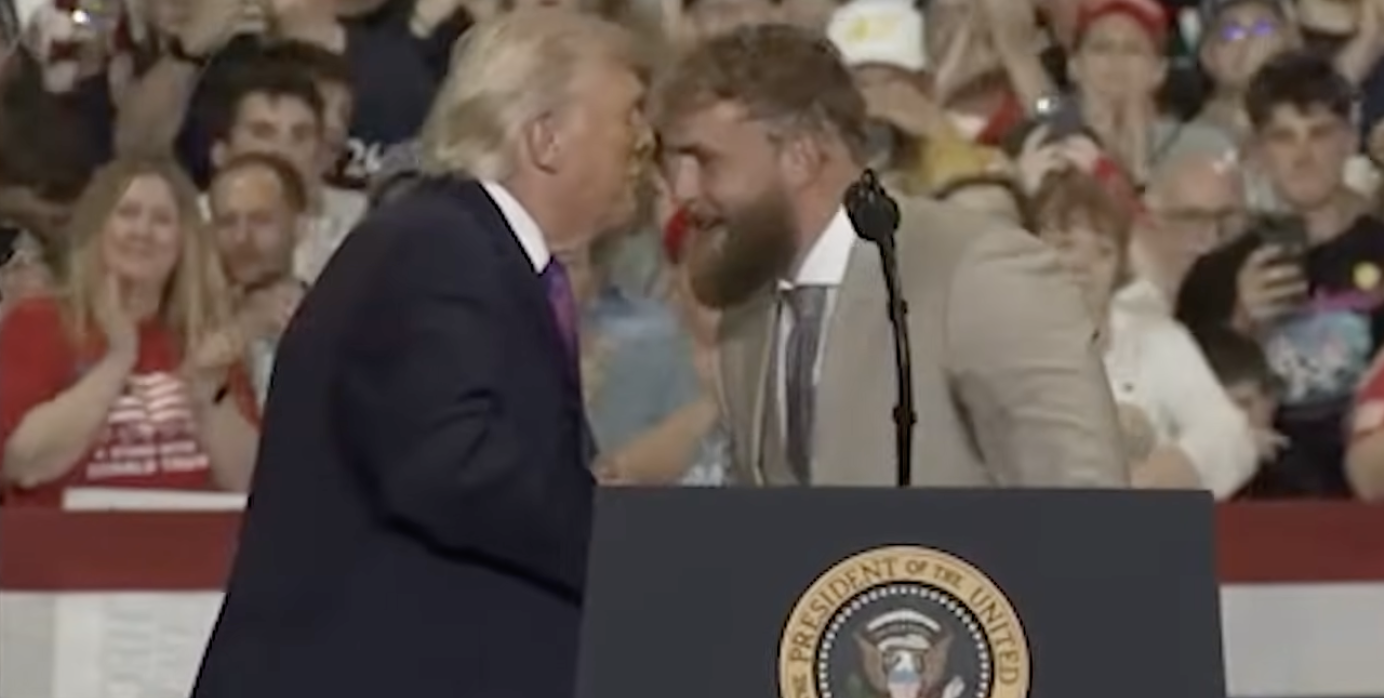
Paul’s appearance did not come out of nowhere. In October 2024, shortly before the presidential election, he publicly endorsed Trump in a long video titled “who I’m supporting for president… and why you should too,” telling followers he wanted to lay out the reasons that had led him to his decision. That endorsement marked a notable step in Paul’s transition from online provocateur to culture-war commentator, and it signalled a willingness to use the vast audience he built through YouTube, boxing and social media in explicitly political ways. By March 2026, Trump was no longer merely receiving Paul’s support. He was publicly imagining a future in which Paul himself could become a candidate.
That political flirtation comes at a complicated moment in Paul’s wider career. He remains one of the most commercially powerful figures in combat sports, but he is also coming off the most punishing defeat of his boxing life. In December 2025, Anthony Joshua stopped Paul in the sixth round of their heavily publicised fight in Miami, breaking Paul’s jaw in two places. Reuters reported before and after the bout that Paul had become a singular figure in boxing, leveraging internet fame into headline events with mainstream reach, while also attracting criticism from purists who saw his rise as evidence of spectacle overtaking sporting merit. The Joshua loss did little to erase Paul’s market value, but it did underline the limits of his in-ring experiment at heavyweight level.
Even so, Paul’s influence in the fight business extends well beyond his own record. His company, Most Valuable Promotions, which he co-founded with Nakisa Bidarian in 2021, describes itself as a fighter-first sports promotion business focused on building athletes and events through digital storytelling and major live shows. That model has helped Paul shift from being merely the subject of spectacle to one of its organisers. It also helps explain why Trump may view him as useful in political terms. Paul brings not just name recognition, but a direct pipeline to younger, overwhelmingly online audiences who do not consume politics through traditional party structures or broadcast news.