ADVERTISEMENT
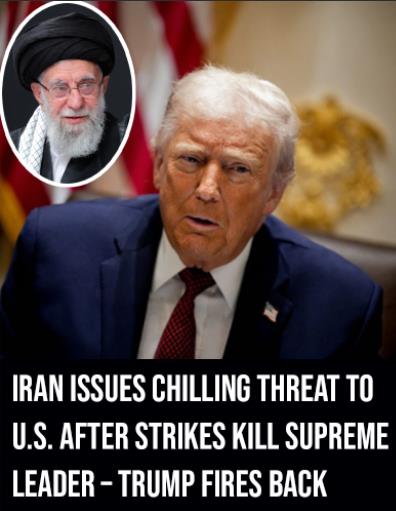
US airstrikes. A dead Supreme Leader. And a chilling promise of “devastating blows.” In one explosive, history-altering weekend, Donald Trump and Israel launched a meticulously coordinated military operation that struck at the very heart of Iran’s political and religious hierarchy. Ayatollah Ali Khamenei, the figurehead of the Islamic Republic, was killed in a strike that sent shockwaves through Tehran, the Middle East, and the world at large. The immediate fallout was staggering: Iranian leadership scrambled to consolidate control, militias went on high alert, US and allied bases across the region elevated their security protocols, and both sides exchanged increasingly brazen threats of unprecedented retaliation. The international community, long accustomed to simmering tensions, suddenly faced the terrifying prospect of a fully escalated regional conflict—one that could draw in powers far beyond the Middle East.
Trump’s decision to greenlight the Tehran strike represented a point of no return, a moment where cautious diplomacy was abandoned in favor of calculated, high-stakes military action. By eliminating Khamenei and key senior officials, Washington and Jerusalem didn’t merely remove a regime figurehead; they struck at the symbolic and ideological core of the Islamic Republic itself. The message was unmistakable: the leadership structure that had governed Iran for decades had been breached, and the consequences would ripple through the country’s political, religious, and military institutions. Iran’s immediate response was both swift and incendiary, launching waves of drones and ballistic missiles toward American assets and regional allies. Intelligence reports indicated that Tehran had placed every US installation in the Gulf and surrounding territories on heightened alert, signaling that no target would remain off-limits. The rhetoric emerging from Iranian officials was unambiguously combative, void of traditional diplomatic nuance, emphasizing instead revenge, retribution, and the dismantling of what they called the “aggressor’s foothold in the region.”
ADVERTISEMENT
