ADVERTISEMENT
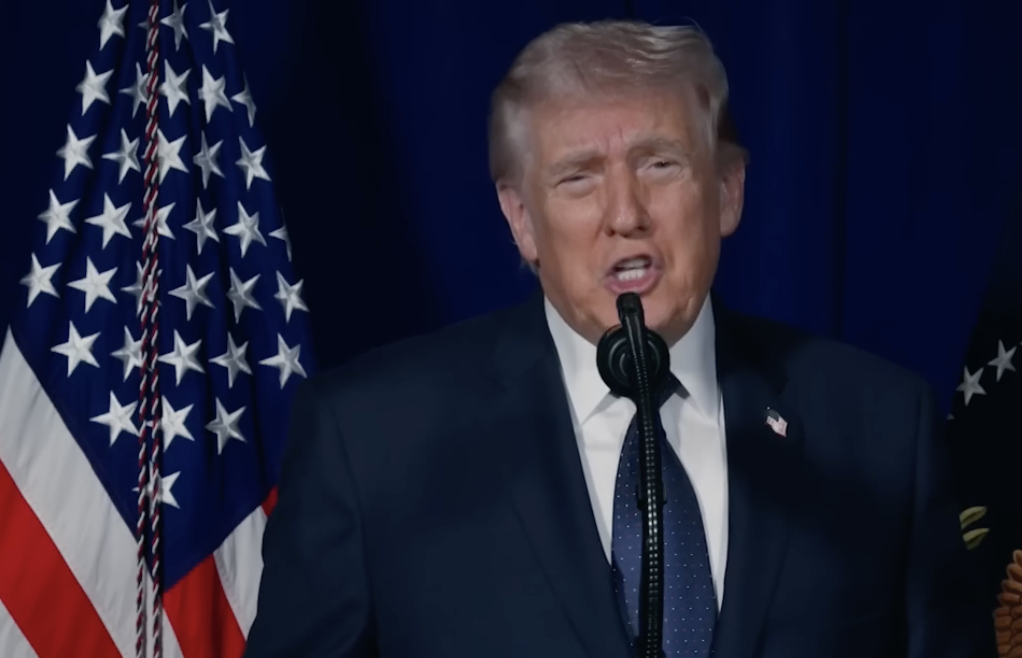
Trump himself has used language that underscores the administration’s readiness for a costly and prolonged confrontation. The People report said he wrote on Truth Social on March 7 that Iran was “being beat to hell.” In comments separately reported by TIME, Trump also acknowledged the prospect of casualties in stark terms, saying Americans should expect losses because “some people will die. When you go to war, some people will die.” The same People article, citing a March 1 address shared by the White House, reported Trump saying that “there will likely be more” deaths before the conflict ends. Those remarks have helped create the climate in which even a conditional answer about “options on the table” can rapidly be interpreted as a warning that escalation, in one form or another, remains possible.
Leavitt’s wording was careful, but the political meaning was unmistakable. She did not say a draft was imminent. She did not say ground troops were being prepared. But she also did not offer the categorical reassurance many Americans, and many Republicans, wanted to hear. Instead, she framed the president’s stance in classic commander-in-chief terms, arguing that he would not limit himself prematurely while assessing the battlefield. That approach may be intended to preserve deterrence abroad, but at home it invites immediate scrutiny because it leaves open the very scenario critics fear most: that a war initially described as an air campaign could, under pressure or through mission creep, demand more personnel than the current force posture allows.
ADVERTISEMENT
