ADVERTISEMENT
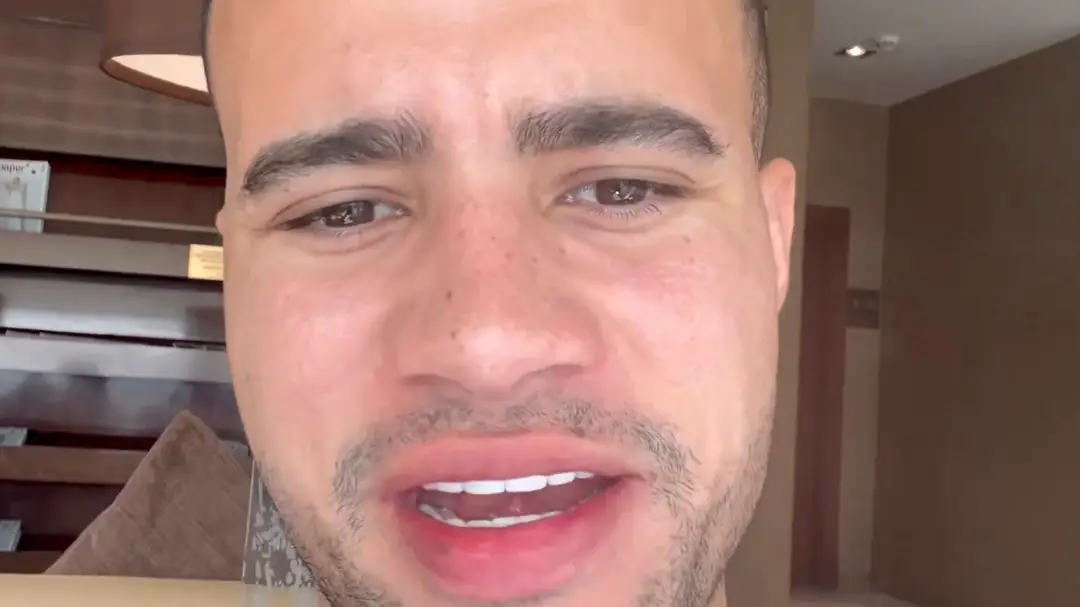
Harrison Sullivan, the controversial online figure better known as HSTikkyTokky, has responded to the wave of criticism that followed his appearance in Louis Theroux: Inside the Manosphere, doubling down rather than retreating as the Netflix documentary continues to generate debate about the money, performance and ideology driving a corner of internet masculinity. In a series of posts and video responses published after the film’s release, Sullivan dismissed those criticising him as “low test men” and “fat women”, later telling viewers that most people reacting to the documentary were “bots” and “povo losers” who hated his lifestyle and wealth.
That tension between performance and belief has become central to the reaction around Sullivan. In his own defence after the programme aired, he argued that viewers were too willing to take his words at face value. In one social-media response cited by LADbible, he said critics did not “have the brain cells to comprehend that maybe I say things and do things for a reaction because it makes me money and allows me to live this lifestyle”. In another, after private messages and comments flooded in, he mocked those contacting him and insisted they were bitter about his success.
Theroux’s own public response has been notably more measured. He has said he does not “dislike” Sullivan, and in discussing him has pointed to a complicated mix of intelligence, education and work ethic. But he has also questioned what that work ethic amounts to when it is devoted to producing degrading material and aggressive content aimed at women. In comments reported after the film’s debut, Theroux said there was “a real work ethic there”, but asked: “How meaningful is it to have a good work ethic if you’re just spending hours and hours spewing offensive pick-up lines to girls on a beach front in Marbella?”

Part of the documentary’s impact lies in the fact that Sullivan is not presented as a marginal figure operating in isolation. Theroux has said he focused on influencers at the extreme edge of a much broader online culture, one which packages itself as aspiration and self-improvement but can slide into a harder doctrine built on domination, grievance and spectacle. The film places Sullivan alongside other well-known names from the same digital orbit, but his story appears early and prominently enough that even he recognised he would be one of the project’s focal points.
His biography is also part of the film’s context. Sullivan, 24, is the son of former England rugby union international Victor Ubogu, though multiple reports say he was largely raised by his mother, Elaine Sullivan, who worked to send him to private school. That background has featured in coverage of the programme because it complicates the persona he projects online, which is built around wealth, dominance and a contemptuous posture toward critics and women.
He was also sentenced last November after pleading guilty to dangerous driving and driving without insurance in connection with a McLaren crash in Surrey in March 2024. Surrey Police said he received a 12-month custodial sentence suspended for two years, along with a two-year driving ban, 300 hours of unpaid work and a three-month curfew. Later court proceedings drew additional headlines when a judge criticised the use of a private jet to return him from Spain, although the underlying conviction and sentence remained unchanged.
That background matters because Inside the Manosphere is not really about one offensive clip or one obnoxious influencer. It is about a model of internet fame in which notoriety itself is the product. Sullivan’s responses since the documentary aired have, if anything, reinforced that point. Rather than offering contrition, he has treated the criticism as proof that the machine is still working, with outrage driving attention and attention feeding status, money and reach. Theroux’s film asks what that does to the young men watching. Sullivan’s answer, at least for now, appears to be that the attention is worth it. (WIRED)
ADVERTISEMENT
