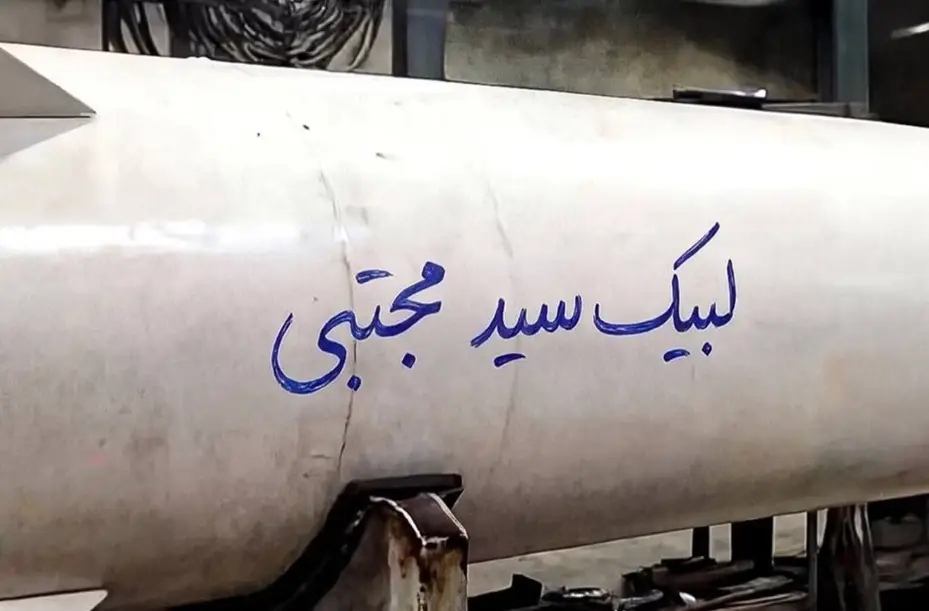
His rise has unfolded against an expanding regional conflict in which Iranian missiles and drones have struck not only Israel but also Gulf states, drawing condemnation across the region and rattling energy markets. Reuters reported that the war has widened sharply in recent days, with attacks, counter-attacks and disruption to shipping through the Strait of Hormuz intensifying pressure on governments and economies alike. Iranian President Masoud Pezeshkian at one stage apologised to neighbouring countries affected by Iranian actions, but Reuters said senior Guards reacted furiously, forcing a retreat that illustrated where real power now lies. In that context, the missile marked for Mojtaba was not merely ceremonial. It was an unmistakable signal that Iran’s new leadership intended to answer military pressure with military defiance.
Donald Trump has added to the pressure by openly questioning Mojtaba’s durability. Reuters reported that Trump said any new Iranian supreme leader lacking American approval would not “last long,” while also suggesting the war could end quickly if Tehran yielded. Israel, meanwhile, had already said it would kill whoever succeeded Ali Khamenei unless Iran changed course. Those threats, combined with the rapid appearance of the personalised missile message, help explain why Tehran’s first images of the new era were centred not on clerical ceremony or constitutional legitimacy but on weapons, vengeance and sworn service. The message on the missile was brief, but it captured the essential reality of Mojtaba Khamenei’s opening hours in power: a succession forged in war, backed by the Guards, contested by some within the establishment, and introduced to the world through the language of force.