ADVERTISEMENT
The present conflict has radically altered the context in which these threats are being made. Reuters reported that the United States has now carried out strikes against more than 5,000 targets since the war began on 28 February, destroying or damaging more than 50 Iranian naval vessels. Iran, meanwhile, has launched retaliatory attacks against U.S. military bases and diplomatic missions in Gulf states and has also struck hotels, damaged oil infrastructure and contributed to airport closures, according to the Pentagon account reported by Reuters. Trump has pressed Iran over its leadership transition and the administration has signalled that it will keep up military pressure rather than scale back.
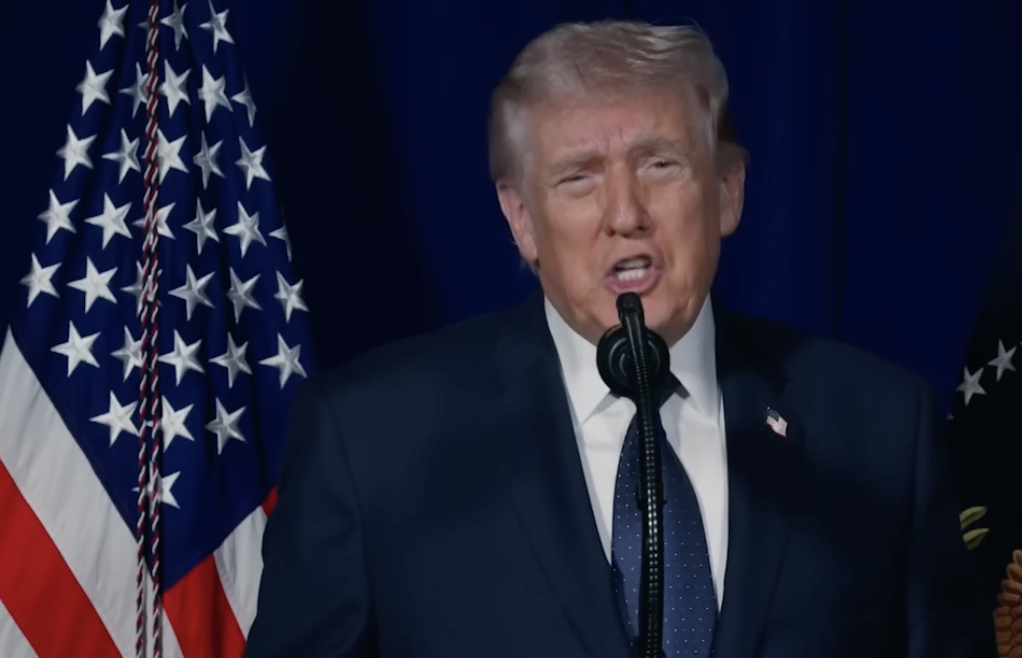
That broader pressure is central to understanding why the threat to Trump matters politically as well as personally. For Trump, the confrontation with Iran is bound up with his long-running image as a leader willing to use overwhelming force and issue maximal warnings in public. For Iran, especially after the death of top leaders and amid heavy bombing, the rhetoric serves a different purpose: to show that the country is still prepared to threaten its enemies directly and to present itself as defiant rather than cornered. Larijani’s choice of words, particularly the phrase “be careful not to be eliminated,” echoed that message of retaliation and survival.
ADVERTISEMENT
