ADVERTISEMENT
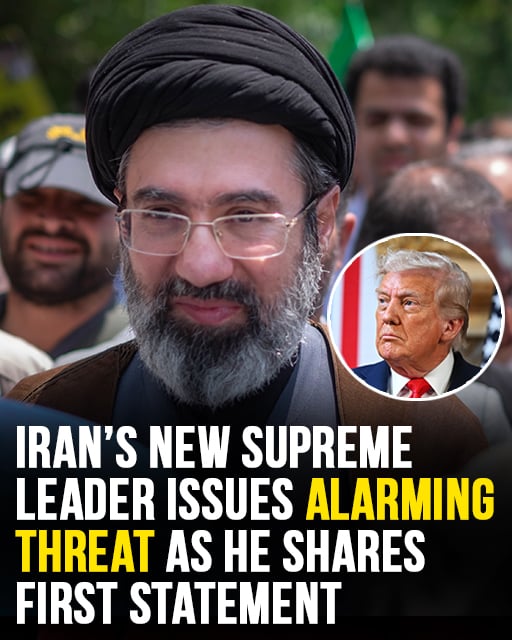
The timing could not be more volatile. Iran is grappling with the succession crisis that followed the sudden death of the former leader, and Mojtaba Khamenei now occupies a precarious position—both as a symbolic figurehead and, potentially, as a decision-maker with sweeping influence over the country’s military and security forces. His first statement, carefully scripted and delivered through an intermediary, was a declaration of vengeance and power. He promised to avenge every “martyr” of Iran, extending beyond his father’s death, and to demand “compensation” from the country’s perceived enemies by any means necessary. The Strait of Hormuz, through which a significant portion of the world’s oil supply passes, was explicitly invoked, signaling that Iran is prepared to use its control over strategic waterways as leverage in an increasingly tense geopolitical standoff.
Across the region, governments and military analysts are watching closely, aware that even words alone from Iran’s highest authority can have outsized consequences. The statement has already rattled foreign chancelleries, affected oil markets, and forced allied nations to consider rapid adjustments to military deployments. Diplomats emphasize that in Iran, perception can be as potent as action: whether Mojtaba is fully in control or acting as a proxy, the message he delivers is being received as a signal of both intent and capacity.
ADVERTISEMENT
