ADVERTISEMENT
In recent days, global tensions have dramatically increased after the United States and Israel launched large‑scale, coordinated military strikes on Iran.
The ensuing violence has quickly spread across the region, drawing reactions from governments, civil society, and — in large numbers — social media users around the world.
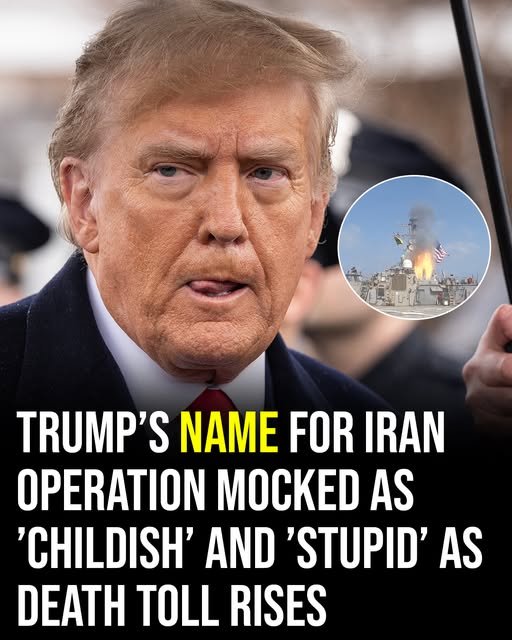
Much of the online discussion has focused not just on the conflict’s human cost, but also on the controversial name of the U.S. military campaign itself: “Operation Epic Fury.”
While the overall picture remains fluid and evolving, this article provides a detailed summary of the known facts about the conflict, the casualties confirmed so far, how the operation has been named, the social media backlash over that name, and official statements from U.S. and allied leaders.

It does not present unverified claims or rumors as fact and is based on public reporting from multiple reliable news organizations and official sources.
How the Conflict Began
On February 28, 2026, the governments of the United States and Israel announced the start of coordinated military strikes against multiple targets in the Islamic Republic of Iran.
The campaign represents one of the most significant escalations in Middle East hostilities in decades.
Reported Targeting of Iranian Leadership
Several outlets, including international and regional reporting, stated that the strikes targeted high‑level Iranian officials and command infrastructure.
Iranian state media and U.S. officials have both acknowledged the death of Iran’s Supreme Leader, Ayatollah Ali Khamenei, along with other senior commanders and aides, though independent verification remains limited in real‑time coverage of conflict zones.

A British military base on the island of Cyprus (RAF Akrotiri) was also struck by Iranian‑linked drones in the wake of these hostilities, causing minor runway damage but no reported casualties, according to UK defense authorities.
Confirmed Casualties and Regional Impacts
Tracking accurate casualty figures in an unfolding conflict can be difficult, and numbers often vary between sources. However, multiple mainstream outlets report that:
U.S. Military Casualties
- On March 1, the U.S. Central Command (CENTCOM) confirmed that at least three U.S. service members were killed and five others were seriously wounded during retaliatory Iranian strikes following the initial operations.
- A later CENTCOM update expanded the number, announcing a fourth U.S. service member died after being wounded in early attacks.
- These casualties represent the first confirmed American combat deaths in the conflict, and U.S. officials indicated that further casualties are possible as operations continue.
Regional Casualties
- Iran has reported high casualty levels resulting from both the initial U.S.–Israeli strikes and subsequent counterattacks.
- Israel experienced Iranian ballistic missile impacts with reported fatalities and injuries among civilians.
- Bahrain, Kuwait, Qatar, Iraq, Lebanon, Oman and other nations have reported varied casualty figures in strikes and interceptions during the escalation.
- Civilians, not only combatants, are among those affected as infrastructure and populated areas have been hit.
(Note: Precise totals for each country continue to fluctuate as official counts are updated and independent verification is sought.)
ADVERTISEMENT
