ADVERTISEMENT
High-power microwave weapons can disable or destroy electronic components by flooding circuits with electromagnetic energy. Rather than blowing up a drone, they can disrupt its guidance or control systems, causing it to lose stability and crash.
That does not mean conventional weapons become unnecessary. Directed-energy systems still rely on accurate targeting data. Low-flying drones moving close to sea clutter can complicate radar detection. Environmental conditions, engagement geometry, and coordination with friendly interceptors also create operational constraints.
For example, a microwave beam does not distinguish between hostile and friendly electronics. If a defensive missile passed through an active microwave sector at the wrong moment, timing would be critical. Modern Aegis combat systems help manage these situations automatically, calculating safe engagement windows in milliseconds.
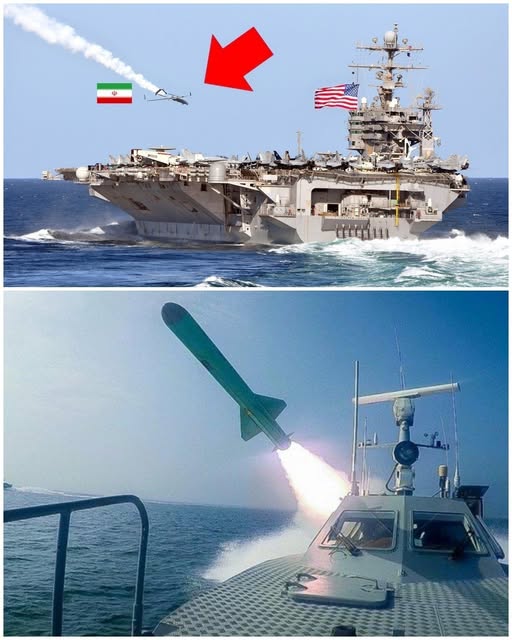
Iranian doctrine emphasizes multi-layered pressure: drones to saturate defenses, anti-ship ballistic missiles to trigger interceptor launches, and fast attack boats armed with cruise missiles to exploit any openings. These coordinated assaults aim to overwhelm commanders and create timing conflicts between defensive systems.
Against ballistic threats such as the Khalij Fars anti-ship missile, traditional interceptors remain essential. Directed energy cannot replace every layer of defense. Standard Missiles would still be required for high-altitude intercepts to protect the carrier and its escort ships.
All of these systems must operate together in carefully timed coordination. Sensors track targets, algorithms assign engagement zones, and defensive actions occur within fractions of a second. Human commanders oversee the battle, but automated systems perform calculations that would be impossible for people to handle in real time.
ADVERTISEMENT
