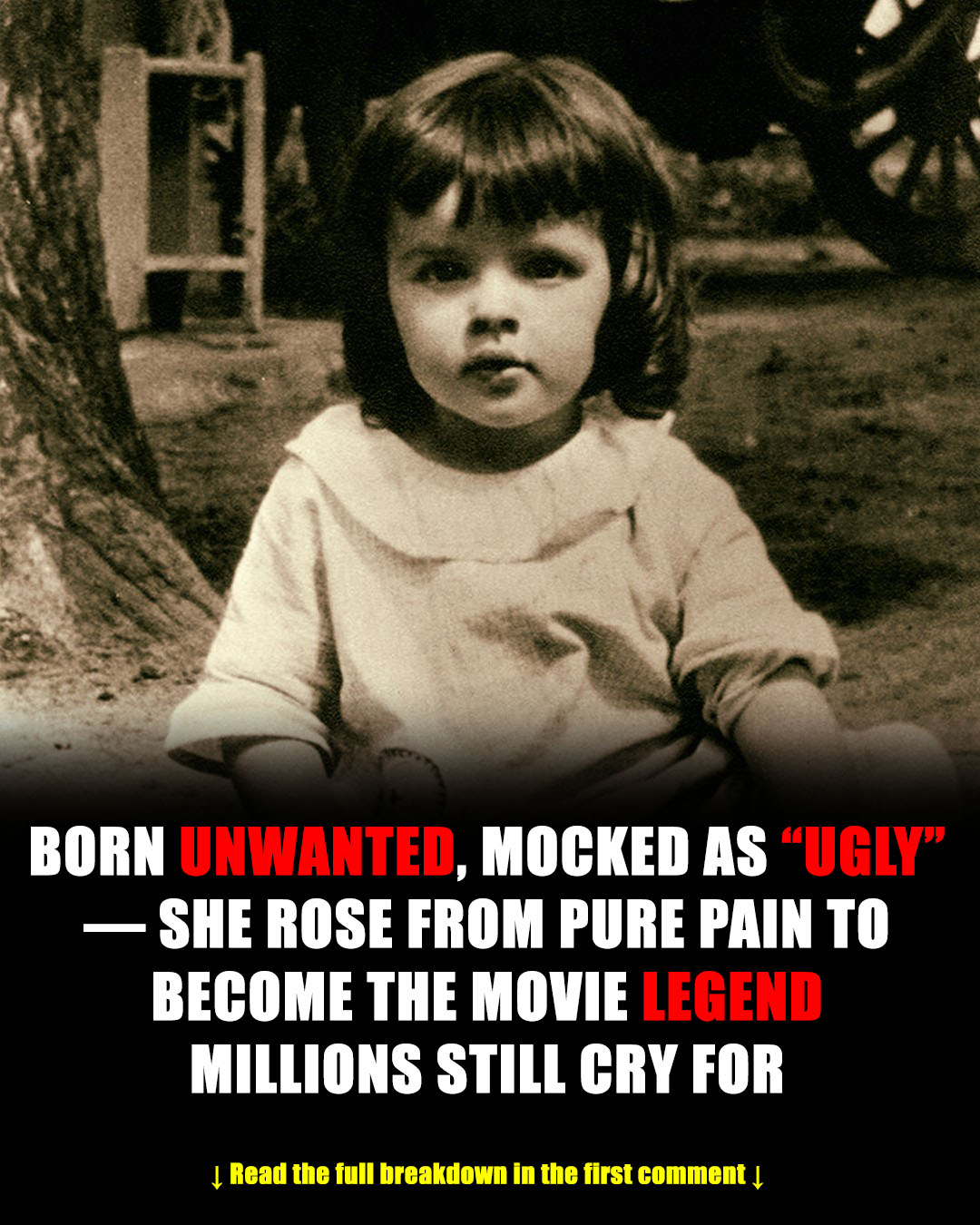
Frances Gumm began her journey not in the gilded halls of Metro-Goldwyn-Mayer, but on the dusty boards of vaudeville stages, where the applause of strangers was the first currency she learned to value. She possessed a voice that seemed mathematically impossible for a child—a resonant, soulful contralto that carried the emotional weight of a much older soul. It was a clear, open sound that radiated a desperate wish to be seen, not just heard. However, in the ecosystem of 1930s Hollywood, a “gift” was merely raw material for the industrial machinery of the studio system. When she signed with MGM, she wasn’t just signing a contract; she was surrendering her sovereignty to men who viewed her well-being as a secondary concern to her marketability.
Behind the diamonds and the designer gowns, the fame wrapped around her like barbed wire. It glittered brilliantly under the merciless studio lights, but every movement she made caused a new puncture. No one in her inner circle, including her own mother, seemed to ask if it hurt. Her mother, often described as the “real-life Wicked Witch of the West,” viewed her daughter as a meal ticket, pushing her toward the spotlight with a fervor that suggested love was entirely conditional. If Judy performed, she was praised; if she faltered, the support vanished. This created a psychological blueprint that Garland would carry for the rest of her life: the belief that she had to earn the right to exist through the entertainment of others.
The irony of the “Wizard of Oz” is that while the world fell in love with Dorothy’s quest for home, the girl playing her was being systematically denied one. The studio lot became her only reality, a place where the “man behind the curtain” was a corporate board of directors who controlled her caloric intake, her romantic interests, and her very identity. They wanted her to be wholesome but thin, energetic but compliant, a star but a servant. As she transitioned into adulthood, the pressure only intensified. The industry that had raised her now scrutinized her aging process with the same cold detachment they had used on her childhood. She was a product with an expiration date, and she knew it.
Her journey was a constant cycle of fighting, failing, and trying again. She spent decades chasing a sense of security she was never taught to believe she deserved. Every comeback was hailed as a triumph of the spirit, but each one took a physical and emotional toll that the public rarely saw. She became a lighthouse for the broken, her story serving as a warning and a source of inspiration. She proved that even in the darkest corners of an industry built on artifice, a soul could remain stubbornly, defiantly present. However, the light she provided for others was often fueled by her own slow internal combustion.
In the end, the narrative of the broken child is a testament to the resilience of the human voice. Even when wrapped in barbed wire, Garland sang. Even when her heart was breaking, she gave the world a reason to hope. But we must look past the nostalgia and the Technicolor to see the girl who just wanted to go home—not to a farm in Kansas, but to a version of herself that hadn’t been bartered away for a film credit. Her legacy is not just the films or the recordings, but the sobering reminder that no talent, no matter how celestial, is worth the sacrifice of a child’s peace.
