ADVERTISEMENT
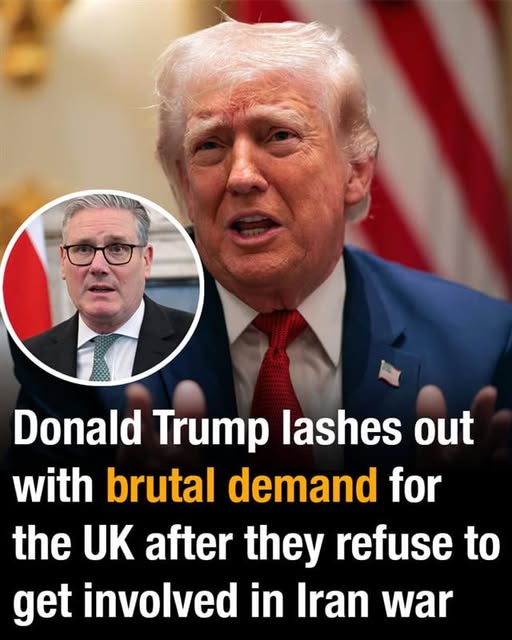
telling them to secure their own oil resources. He further stated that the era of automatic American support was over, declaring that the United States “wouldn’t be there to help anymore.” This stark warning arrives at a particularly fragile moment for Britain, which is already facing rising fuel costs and growing energy concerns while attempting to avoid deeper involvement in a widening regional conflict.
At the same time, however, Trump’s stance took an unexpected turn that has left analysts divided. Alongside his criticism of the UK government, he expressed strong admiration for the British monarchy, announcing plans for a formal state visit for King Charles III and Queen Camilla. In a striking contrast in tone, he referred to the upcoming royal visit as a “momentous occasion” and spoke warmly about hosting a “beautiful banquet dinner” at the White House. His praise for the King stood in sharp contrast to his condemnation of Britain’s elected leadership, creating a confusing dual message within the same diplomatic narrative.
This contrasting approach has fueled debate over whether the United States is attempting to separate its relationship with the British government from its relationship with the monarchy, or whether this is a deliberate form of political pressure. Critics argue that such inconsistency risks undermining trust and destabilizing a long-standing alliance, while supporters view it as a strategic reminder that international partnerships are not unconditional.
