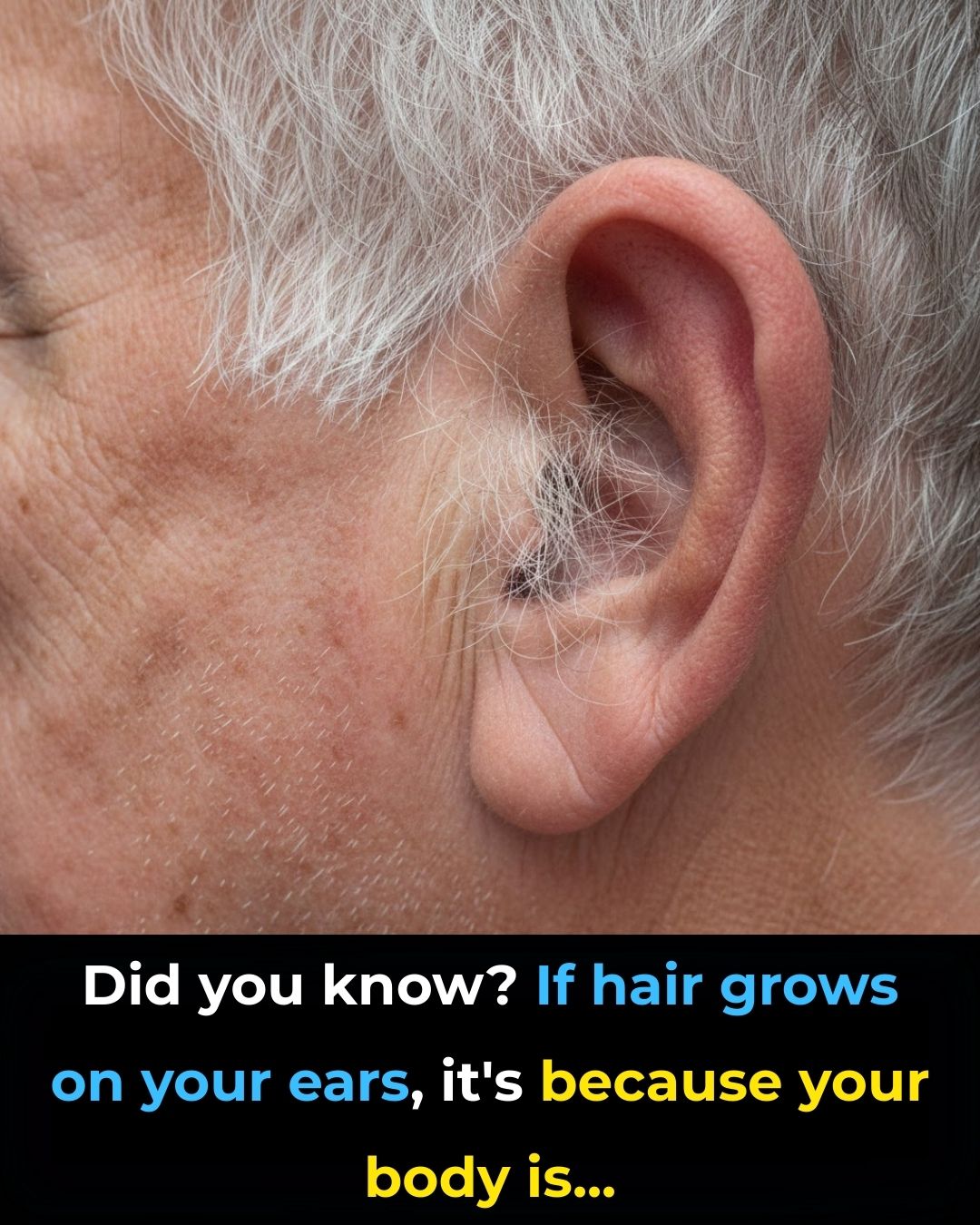
Interestingly, even before birth, humans develop soft, fine hair called lanugo that covers the entire body, including the ears. This usually disappears shortly after birth, but some babies—especially those born prematurely—can retain it longer.
Why Ear Hair Becomes More Noticeable with Age

For many individuals, ear hair becomes more prominent as they get older. This is largely due to hormonal changes that cause hair follicles in certain areas to grow longer or thicker. Particularly in men, increased levels of androgens (male hormones) can stimulate hair growth in the ears and nose.
This natural process is normally harmless, though it can sometimes be aesthetically concerning for some people.
Safe Methods to Manage Ear Hair
-
Trimming: The preferred and safest option is to use an electric trimmer designed specifically for ear and nose hair. These devices trim hair without cutting or damaging the skin.
-
Waxing: This method can remove outer ear hair temporarily and can reduce growth over time but should be performed by professionals to avoid irritation or injury.
-
Avoid Unsafe Practices: Do not use scissors, plucking, or chemical hair removers directly inside the ear canal to avoid injury, infection, or damage to sensitive ear structures.
When to Seek Medical Advice

Ear hair generally does not cause health issues, but if you notice sudden or excessive hair growth coupled with other symptoms like itching, hearing problems, or discomfort, it is advisable to consult a healthcare professional. Underlying conditions or hormonal imbalances may occasionally contribute to excessive hair growth.
Conclusion
Understanding the nature and role of ear hair helps normalize this common occurrence and promotes informed care.
