ADVERTISEMENT
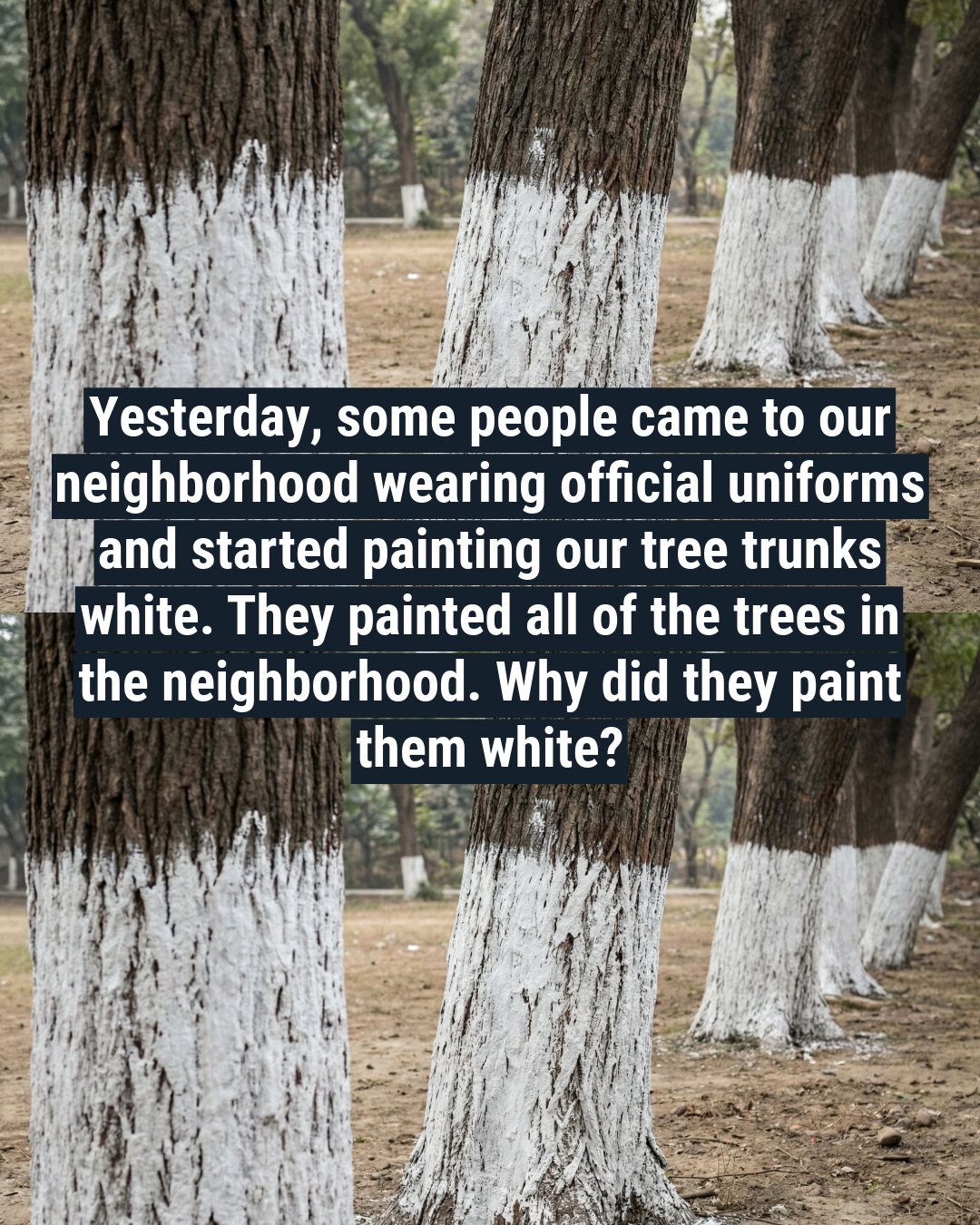
The process itself is a masterclass in practical chemistry. Experts strictly avoid oil-based paints, which can clog the lenticels (the pores through which a tree breathes) and lead to rot. Instead, a water-based interior latex is the gold standard. To ensure the coating is effective without being suffocating, it is typically diluted in a 50/50 ratio with water. Some veteran orchardists take the recipe a step further, mixing in joint compound or specialized antifungal additives. This creates a thick, pasty barrier that not only reflects heat but also physically blocks wood-boring insects from depositing eggs in the crevices of the bark. Unlike many modern landscaping tasks that rely on high-pressure sprayers, whitewashing is traditionally done with a heavy brush. This manual application ensures the paint is pushed deep into the nooks and crannies of the bark, providing a seamless shield.
Ultimately, a white-painted trunk is a badge of expertise. It signals that the caretaker understands the delicate biology of the “leafy giants” under their watch. By shielding the trunk from the deceptive warmth of a winter sun, gardeners ensure that their trees remain resilient and productive, standing as a testament to the fact that sometimes the most effective technology in nature is a simple coat of white paint.
