ADVERTISEMENT
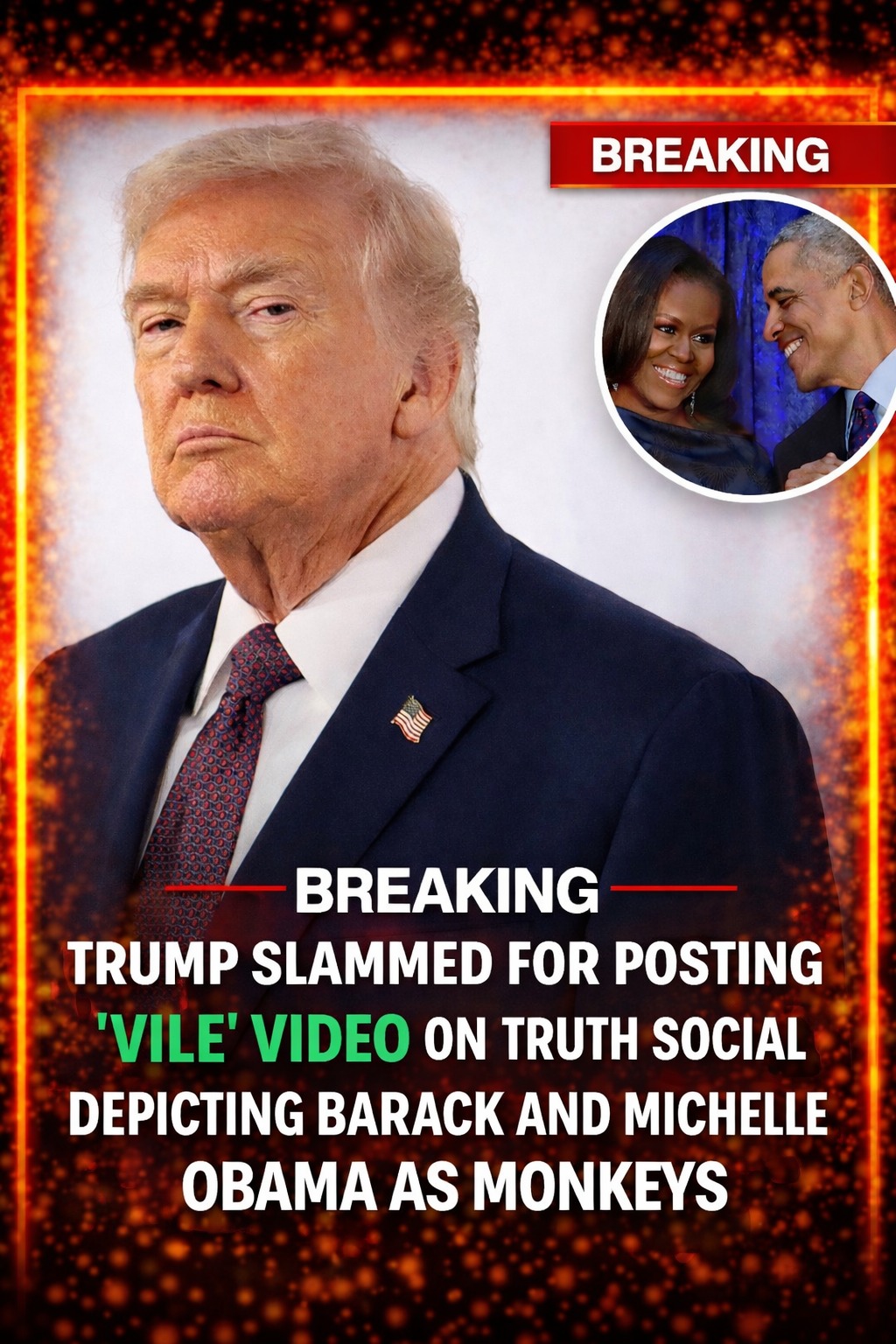
The reaction to Donald Trump’s recent activity on Truth Social was immediate, visceral, and indicative of the deep cultural and political fault lines that define modern America. When the former president shared a crude video meme targeting Barack and Michelle Obama, the response from civil rights leaders, historians, and the public suggested that this was not merely another instance of firebrand political rhetoric. Instead, many observers saw it as a calculated descent into a specific, painful form of historical dehumanization. By invoking “jungle” imagery and archaic tropes, the post targeted America’s first Black First Family with a style of ridicule that predates modern politics and reaches back into the most regressive eras of the American past.
ADVERTISEMENT
