ADVERTISEMENT

Supreme Court OK’s Trump Admin’s Resumption of Immigration Sweeps In LA

ADVERTISEMENT

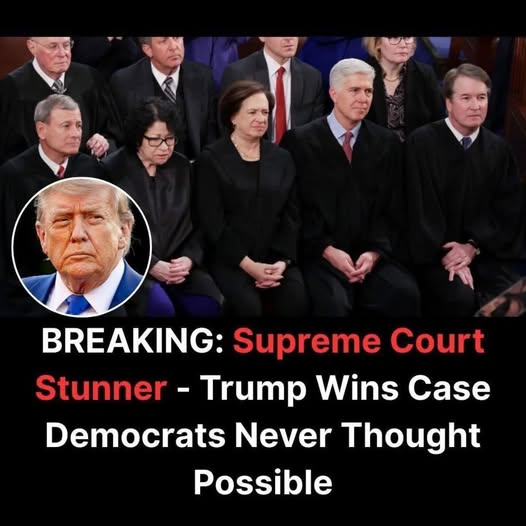
The ruling hit like a thunderclap—an explosive judicial decision that reverberated far beyond the polished marble hallways of the Supreme Court. In a single stroke, the highest court in the United States granted President Donald Trump the legal weapon he had long sought: broader authority to carry out sweeping deportations and immigration enforcement actions in and around Los Angeles. What once were restrictions on federal agents’ powers now lie in tatters, allowing immigration enforcement officials to resume strategies that critics decry as tantamount to racial or ethnic profiling. Supporters of the decision, meanwhile, describe it as nothing more than common sense and necessary law enforcement flexibility. But the implications of this decision—especially the fact that ethnicity, language, and geographic location can now be considered “relevant factors” in immigration stops—have sent shockwaves through immigrant communities and civil liberties advocates, raising urgent questions about rights, fear, and the future of families across Southern California and beyond.

At its core, the Court’s ruling does much more than adjust a legal technicality in immigration enforcement—it redraws the boundary between national security prerogatives and individual civil liberties. By allowing federal officers to consider a person’s ethnicity, the language they speak, or where they are located as part of a profile to justify immigration stops, the majority signaled a new tolerance for suspicion built on traits tied to identity. Chief among those who framed the ruling was Justice Brett Kavanaugh, whose concurring opinion emphasized deference to executive branch enforcement prerogatives and “common sense” factors in making stops. According to Kavanaugh, ethnicity may be a relevant factor when considered alongside other indicators. But to millions of immigrants—and even U.S. citizens who share similar appearances or linguistic traits—the ruling feels less like clarification of legal standards and more like a warning flare signaling that broad, discretionary enforcement actions could become normalized.

ADVERTISEMENT

Leave a Comment