ADVERTISEMENT

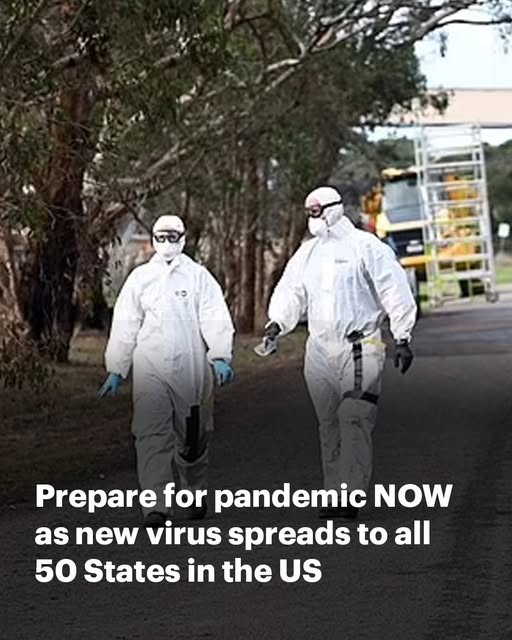
Experts issue terrifying warning to America! Prepare for pandemic NOW as new virus spreads to all 50 States

ADVERTISEMENT

The United States is facing a pivotal moment in public health as scientists and infectious-disease specialists raise urgent concerns about the spread of the H5N1 avian influenza virus. What originally appeared to be a problem confined mostly to poultry farms has gradually transformed into a nationwide issue, with confirmed detections now reported across all 50 states. The numbers continue to grow more concerning. Nearly a thousand dairy cattle herds have been affected, and more than seventy human infections have been confirmed in laboratories, including the first fatal case reported in the country. Researchers associated with the Global Virus Network, along with other leading virologists, warn that the country may be witnessing the early stages of a potential pandemic developing slowly over time. They emphasize the need for immediate planning and coordinated response so the nation does not experience the same institutional and societal disruptions seen during the beginning of COVID-19.

The effects on agriculture have already reached an extraordinary scale. Since the outbreak began accelerating in 2022, more than 168 million chickens and other poultry birds have either died from the disease or been culled in efforts to contain its spread. This enormous loss has placed serious pressure on the U.S. poultry industry and has also affected consumers directly, pushing the cost of eggs and other everyday food items dramatically higher. A particularly troubling development occurred in 2024 when the virus was detected in mammals, especially dairy cattle. This shift significantly increased scientific concern because viruses circulating widely in mammals have far greater opportunities to mutate. Experts such as Marc Johnson of the University of Missouri explain that although the virus has not yet gained the ability to spread efficiently from person to person, it is effectively experimenting through every infected host, increasing the chances of genetic change.

ADVERTISEMENT

Leave a Comment