ADVERTISEMENT
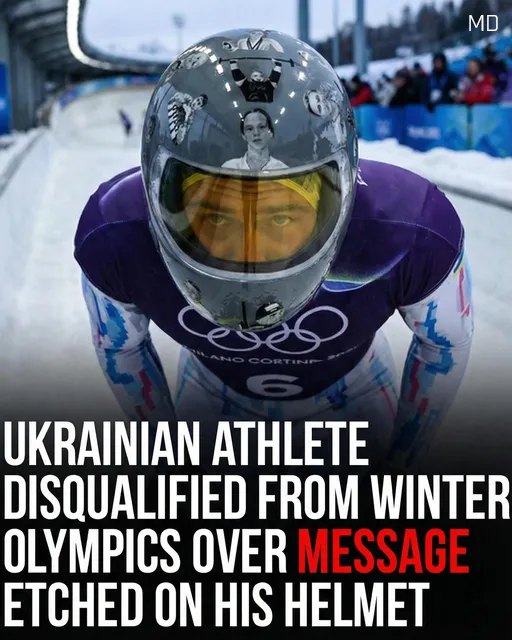
The intersection of geopolitical reality and international sporting regulations reached a point of high-stakes friction at the Milano Cortina 2026 Winter Olympics, as Ukrainian skeleton athlete Vladyslav Heraskevych was officially ruled ineligible for the men’s competition. The disqualification stemmed from a localized dispute over equipment—specifically, a custom-designed helmet that Olympic officials deemed a violation of the Games’ strict guidelines regarding athlete expression and political neutrality. The decision, which arrived in the final, tension-filled moments leading up to the start of the event, has left the sporting world debating the limits of personal expression on the world’s most visible competitive stage.
As the clock ticked toward the scheduled start time, a series of frantic, closed-door negotiations took place between Heraskevych, the Ukrainian National Olympic Committee, and event adjudicators. Officials argued that the Olympic arena must remain a neutral ground, free from the entanglements of global conflicts, to ensure that the focus remains entirely on athletic merit and international unity. They maintained that the imagery on the helmet moved beyond the scope of personal remembrance and entered the realm of a political statement, which they felt compelled to restrict to maintain consistency across all sports and for all participating nations.
ADVERTISEMENT
